Wisconsin Democrats Running for Governor Push Marijuana Legalization
Three Wisconsin Democratic gubernatorial candidates used April 20 to call for cannabis legalization, citing $36M in tax revenue lost to Illinois annually.
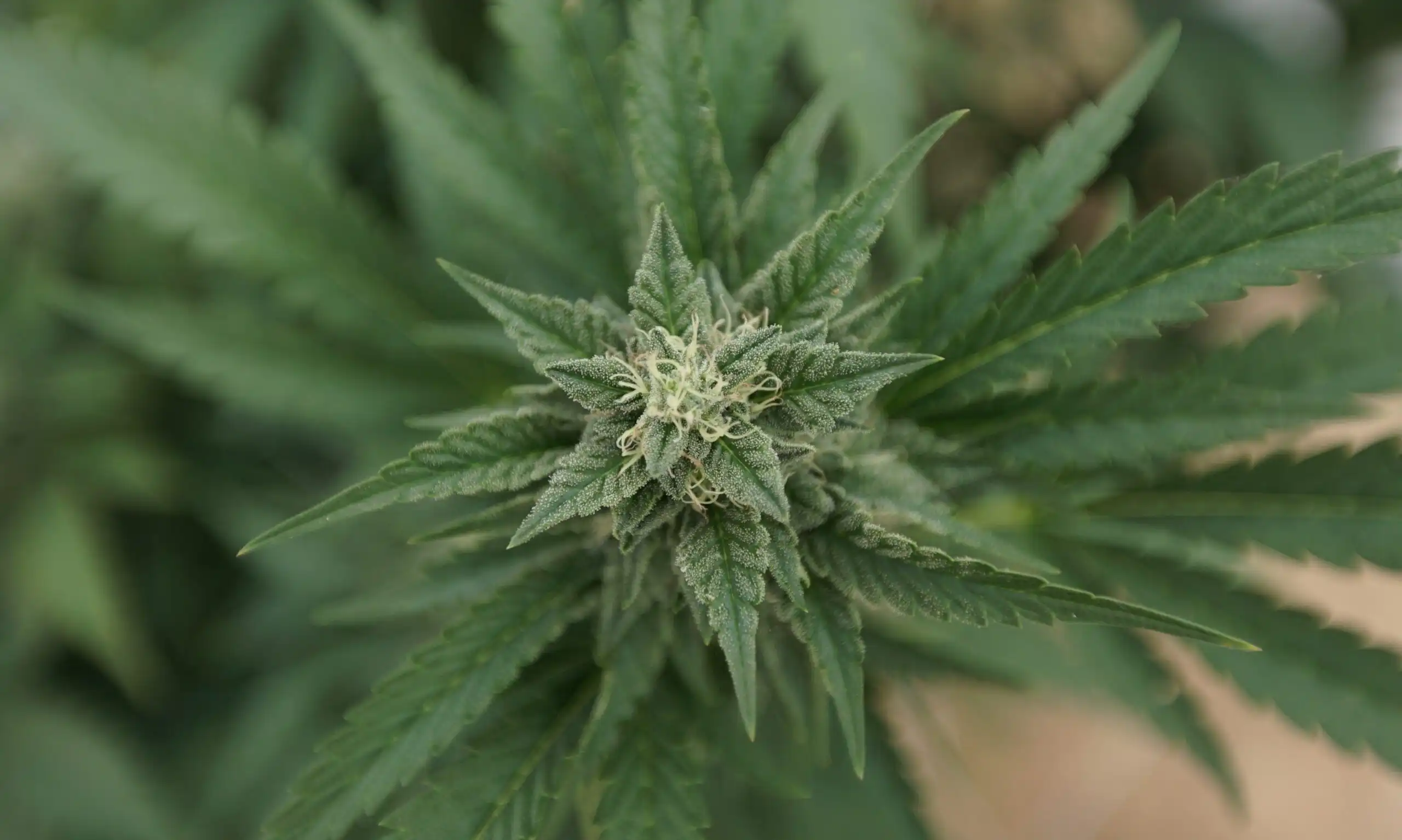
MADISON, Wis., Three Democrats running for Wisconsin governor used April 20 to make the same argument: their state is bleeding tax dollars to Illinois, and legalization is the fix.
Former Lt. Gov. Mandela Barnes, state Rep. Francesca Hong, and Milwaukee County Executive David Crowley all posted on X on April 20, each calling on Wisconsin to end its prohibition on cannabis. The timing wasn’t subtle. April 20 is the unofficial holiday for marijuana culture, and Democrats in Madison clearly decided to use the moment.
Barnes put a specific number on the problem. “It’s about time Wisconsin legalizes marijuana. Illinois got $36 million dollars in tax revenue from Wisconsinites in one year, we are giving our neighbors millions every year by not legalizing,” he said in his post. “Happy 4/20, please enjoy responsibly!”
That $36 million figure is striking. It means Wisconsin residents are already buying cannabis. They’re just driving across the state line to do it, leaving the tax revenue with Illinois instead of funding Wisconsin schools, roads, or rural broadband.
Hong made the same point, but with a specific policy attached. “Wisconsin is one of the last states without a real cannabis program, and we’re handing our neighbors millions every year because of it,” she said, according to Marijuana Moment’s coverage of the April 20 posts. Her “Weed for Speed” proposal would direct cannabis tax revenue into rural broadband infrastructure, and she’s framing legalization as both an economic and a criminal justice issue. “We’ll build it right and repair the damage from decades of criminalization,” she said.
Hong and Barnes are the two frontrunners in the Democratic primary. Crowley, who runs Milwaukee County, is also in the race and also posted on April 20. His pitch was more straightforward. “Wisconsin is falling behind. Legalizing marijuana is about fairness, growth, and common sense. Outdated laws hurt communities and waste resources,” Crowley said. “As governor, I will legalize it and invest the revenue in schools, infrastructure, and small businesses.”
Three candidates. Three separate posts. Same core argument.
What’s notable is who stayed quiet. Almost every Wisconsin Republican was silent on April 20, which tracks with the party’s history at the Capitol, where Republicans have blocked full legalization efforts for years. The one Republican voice that did surface on X came from the head of the St. Croix Valley Young Republicans, pushing back on a Democratic Socialist candidate for the Assembly. That’s not exactly a sign of broad GOP movement on the issue.
For California readers, the Wisconsin fight might look familiar. California legalized recreational cannabis in 2016 through Proposition 64, and the Department of Cannabis Control has spent years since then building the regulatory infrastructure to actually make that work. It wasn’t fast, it wasn’t clean, and the illegal market didn’t vanish overnight. But the tax revenue is real. California pulled in roughly $1.1 billion in cannabis excise tax during fiscal year 2023-24, according to state budget figures. Wisconsin Democrats are looking at that kind of money and asking why it keeps going to someone else.
The $36 million that Barnes cited represents just what Illinois captured from Wisconsin border crossers in a single year. That’s a floor, not a ceiling. As more states legalize and as retail infrastructure grows closer to Wisconsin’s population centers, the outflow could increase. Barnes, Hong, and Crowley are all betting that argument will resonate with voters heading into the governor’s race.
On the policy details, the candidates are pitching different spending priorities: Hong wants broadband, Crowley wants schools and infrastructure and small businesses, Barnes hasn’t attached a specific spending plan to his public statements. What they share is the economic frame. They’re not leading with social justice, though Hong did reference “decades of criminalization.” They’re leading with the money Wisconsin doesn’t have because of where it draws its border with Illinois.
Wisconsin doesn’t have a legalization bill moving through the legislature right now, and Republican control of the Capitol means one isn’t likely to move without a change in political leadership. The governor’s race sets up 2026 as the clearest path forward for legalization advocates in the state. Barnes and Hong, as the two frontrunners, will likely face pressure to get more specific about regulatory frameworks, licensing, and equity provisions as the primary moves forward.
Get The Standard Weekly
Top stories from California Bud in your inbox. Free.