Indoor Cultivators Brace for New Energy Reporting Rules
New CDFA energy disclosure requirements taking effect in April will require all licensed indoor cannabis cultivators to report monthly electricity usage, lighting type, and HVAC specifications, adding another compliance layer to an already thin-margin business.
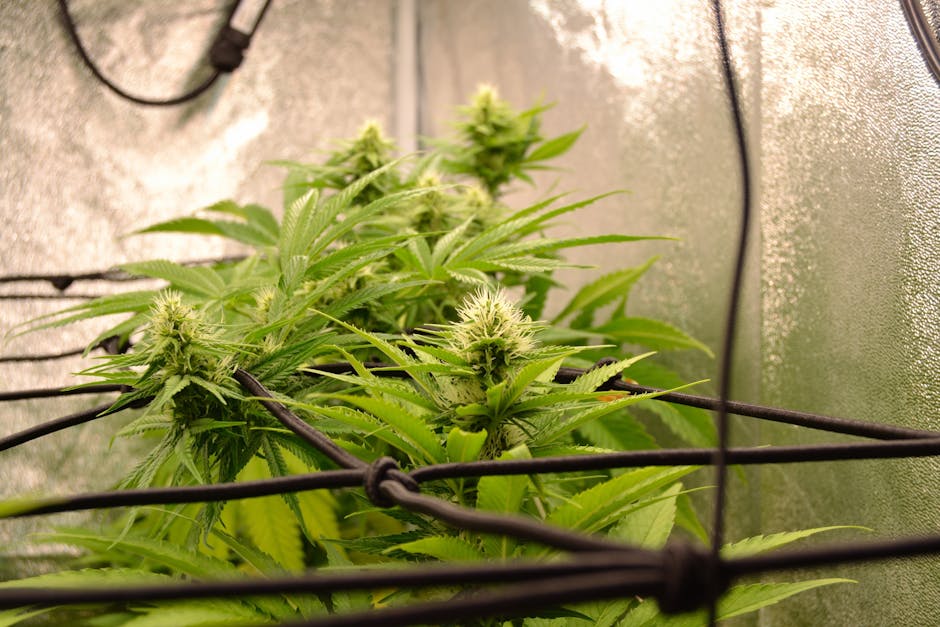
New CDFA energy disclosure requirements taking effect April 1 will require all licensed indoor cannabis cultivators to report monthly electricity usage, lighting type, and HVAC specifications to the state. The rules apply to every indoor and mixed-light license in California (roughly 2,800 active permits statewide, per DCC data). For Humboldt’s small indoor operators, many of whom are already running tight margins, the compliance burden is real.
The regulations were finalized in December after a two-year rulemaking process. The stated goal is straightforward: build a statewide energy baseline for commercial cannabis cultivation. The California Energy Commission has been pushing for this data since 2021, when a UC Davis study estimated that indoor cannabis cultivation consumed approximately 3 percent of California’s total electricity.
Here is what operators need to know.
Starting April 1, licensees must submit monthly energy reports through the CDFA’s online portal (which, as of this writing, still shows a “coming soon” placeholder for the cannabis energy module). Each report requires: total kilowatt-hours consumed, lighting type and wattage per canopy square foot, HVAC system type and rated efficiency, and whether the facility uses any on-site generation (solar, generator, etc.). Facilities drawing more than 100 kWh per square foot of canopy annually will trigger a mandatory energy audit within 90 days.
That 100 kWh threshold is where things get interesting. A standard HPS (high-pressure sodium) setup running 1,000-watt fixtures at typical density pulls roughly 110 to 130 kWh per square foot per year. LED setups running comparable output come in between 65 and 85 kWh. The math is obvious: if you are still on HPS, you are almost certainly above the audit line.
“They’re not saying you have to switch to LED, but they’re basically saying you have to switch to LED,” said Danny Calhoun, who operates a 5,000-square-foot indoor facility in Arcata under a small cultivation license. Calhoun converted half his rooms to LED in 2024 at a cost of about $38,000. He has been putting off the other half.
“Now I don’t have a choice. I either finish the conversion or I deal with audits every year. And audits cost money too, maybe $3,000 to $5,000 if you hire a consultant to handle it.”
The conversion economics are not terrible in isolation. LED fixtures have dropped roughly 40 percent in price since 2022, and PG&E offers rebates of $100 to $300 per fixture through its commercial efficiency program. A full conversion for a 5,000-square-foot facility runs $30,000 to $50,000 depending on fixture quality and electrical upgrades needed. Energy savings of 30 to 40 percent on the lighting bill typically produce a payback period of 18 to 24 months.
But isolation is not how small operators experience costs. The LED conversion lands on top of annual DCC licensing fees ($4,800 for a small indoor), Metrc track-and-trace compliance, testing requirements ($800 to $1,200 per batch for full CoA panels), and the federal 280E tax burden that prevents cannabis businesses from deducting normal operating expenses. Every new mandate pulls from the same thin pool.
The Humboldt County Growers Alliance sent a comment letter during the rulemaking period requesting a two-year phase-in for facilities under 10,000 square feet. CDFA rejected the request, citing “the urgency of establishing a comprehensive energy dataset.”
Terra Kelsen, policy director at the Growers Alliance, said the organization is now focused on helping members prepare. “We’re running workshops in March on the reporting requirements and LED conversion planning. The rule is happening. Our job now is to make sure people don’t get caught flat-footed.”
Not everyone is worried. Larger indoor operations, particularly those backed by outside capital, have already standardized on LED and have compliance teams that can absorb the reporting. For them, the rule creates a modest administrative task.
For the 215-era growers who transitioned to legal indoor and are running on sweat equity and PG&E bills that already make them wince, April is going to feel like another squeeze.