North Coast Craft Cannabis Alliance Launches Appellation Campaign
A coalition of 42 licensed Humboldt and Trinity County growers formally launched a campaign Monday to establish the state's first cannabis appellation of origin, arguing that Emerald Triangle flower deserves the same geographic protections as Napa Valley wine.
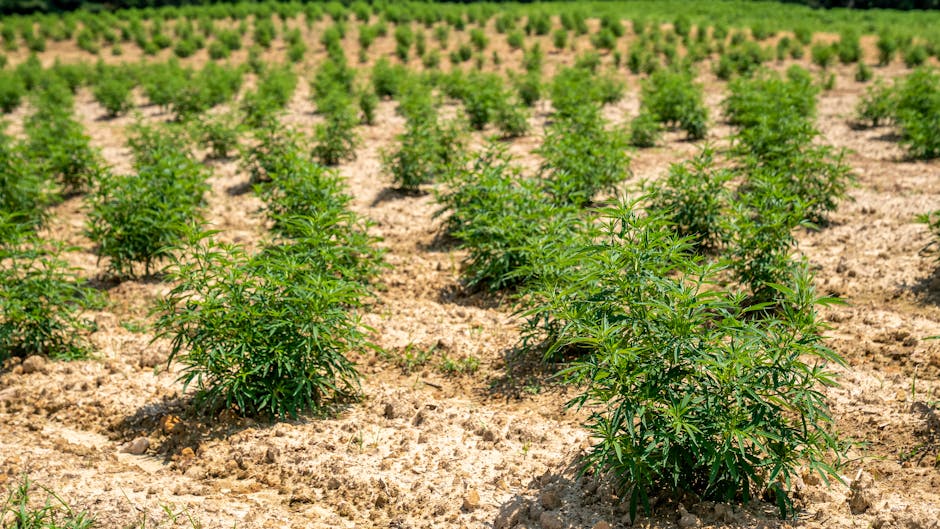
Forty-two licensed cultivators across Humboldt and Trinity counties have formed the North Coast Craft Cannabis Alliance and are formally petitioning the Department of Cannabis Control for California’s first cannabis appellation of origin. The announcement came Monday at a press event in Garberville, where alliance co-chair Marisol Vega laid out the argument in blunt terms.
“Humboldt flower is not the same as greenhouse flower from Salinas,” Vega said. “Everybody in this industry knows it. We want the state to recognize it.”
The appellation concept is not new. SB 67, signed in 2022, authorized the DCC to establish cannabis appellations modeled on the wine industry’s American Viticultural Areas (AVAs). The law allows geographic designations tied to specific cultivation practices, environmental conditions, and regional characteristics. But three years later, no appellation has been approved. The DCC has received two prior petitions (both from Mendocino County groups) and has not acted on either.
The alliance’s petition covers a defined area: licensed outdoor and mixed-light cultivators in Humboldt County south of the Mad River and Trinity County west of Highway 3. That boundary encompasses approximately 380 active cultivation licenses (per DCC records as of January 2026), of which 42 are alliance members. The group says it expects membership to exceed 80 by summer.
The terroir argument is the core of the petition. Alliance members commissioned a soil and climate study from a UC Davis viticulture researcher (yes, a wine soil scientist) that documents the region’s distinctive growing conditions: Franciscan complex soils with high mineral content, a coastal fog influence that moderates summer temperatures, and a photoperiod pattern that produces what the study calls “an unusually gradual transition to flowering” compared to inland California growing regions.
“The terpene profiles from this area are measurably different,” said Kyla Pratt, the alliance’s technical advisor and a former DCC compliance consultant. Pratt presented data from 86 CoA panels collected from alliance members over two harvest seasons. The analysis shows elevated concentrations of myrcene, beta-caryophyllene, and limonene in outdoor flower from the petition area compared to statewide averages from Confident Cannabis market data.
“Is that the soil? The fog? The elevation? Probably all of it,” Pratt said. “That’s what terroir means. You can’t replicate it in a warehouse in LA.”
The practical implications of appellation status are significant. Under state law, only flower cultivated within a designated appellation by licensed operators using approved practices can carry the appellation name on its packaging. The rules would function similarly to wine: you cannot label a bottle “Napa Valley Cabernet” unless the grapes were grown in the Napa Valley AVA.
For Humboldt growers competing against industrial-scale indoor operations in Southern California and the Central Valley, the appellation is a differentiation tool. Wholesale outdoor flower from Humboldt currently sells for $400 to $600 per pound at market, often indistinguishable on dispensary shelves from cheaper product grown elsewhere. An appellation designation, the alliance argues, would create a premium category.
Not everyone is convinced. Sam Guerrero, who runs a medium-sized indoor operation in Arcata, said the appellation “sounds great in theory but doesn’t address the real problem.”
“Consumers don’t know what an appellation is,” Guerrero said. “They know THC percentage and price. Until the retail experience changes, a fancy label isn’t going to move the needle.”
The DCC’s timeline for reviewing appellation petitions is, charitably, unclear. The agency’s regulations provide for a 90-day initial review period followed by a public comment phase, but the two Mendocino petitions have been in review for more than a year with no public updates.
Vega said the alliance is prepared for a long process. “We’ve been growing here for 50 years. We can wait a little longer. But we’d prefer not to.”
The alliance’s next public meeting is March 8 at the Garberville Veterans Hall.