Atmospheric River Dumps Six Inches on North Coast
A category 3 atmospheric river dropped 6.2 inches of rain on Eureka over 36 hours, pushing the Eel River to 28.4 feet at Scotia and flooding low-lying areas near Fortuna.
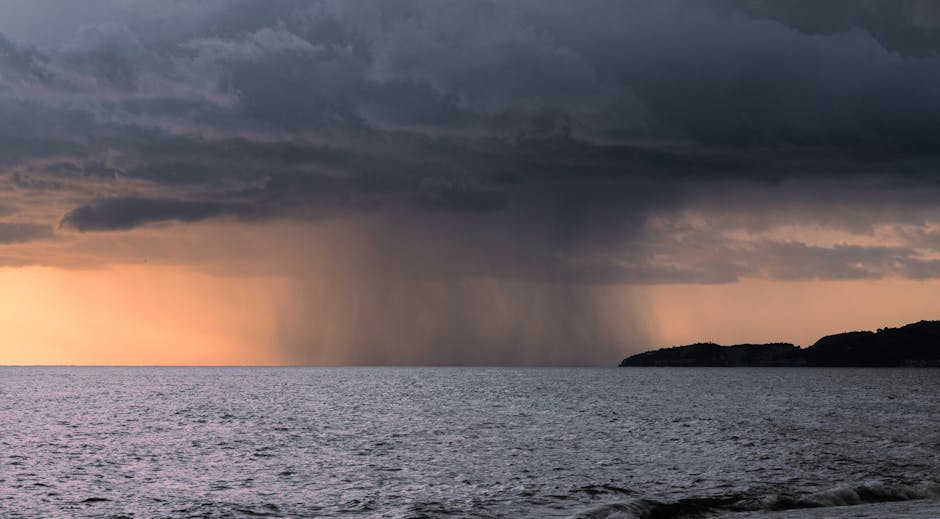
A category 3 atmospheric river stalled over the North Coast Saturday night and into Sunday morning, dropping 6.2 inches of rain on Eureka in a 36-hour window. The system pushed the Eel River to 28.4 feet at the Scotia gauge by 4 a.m. Sunday, well above the 23-foot action stage and within two feet of minor flood stage.
The river crested and began receding by midday. No major structural flooding was reported, though several agricultural parcels along the flats between Fortuna and Rio Dell took on standing water.
For January, this is a big storm. It is not an unusual one.
Rainfall totals
The National Weather Service station at Woodley Island recorded 6.2 inches between 6 p.m. Friday and 6 a.m. Sunday. Higher elevations got more. The rain gauge at Honeydew, in the Mattole watershed, logged 9.1 inches over the same period. Berry Summit recorded 7.4 inches.
Eureka’s January average is 6.42 inches for the entire month. This single event delivered 96 percent of that in a day and a half.
Year-to-date rainfall for Eureka now stands at 8.9 inches, tracking ahead of the 30-year average of 7.1 inches through January 12.
River response
The Eel behaved roughly as expected for this volume of rain. At Scotia, the river rose from 9.2 feet Friday afternoon to 28.4 feet Sunday morning, a gain of 19.2 feet in 38 hours. The hydrograph showed a steep rise and a slightly more gradual recession, consistent with saturated soils and rapid runoff from the upper watershed.
The South Fork Eel at Miranda peaked at 19.7 feet. The Van Duzen at Bridgeville reached 14.3 feet, well below its 18-foot flood stage.
For comparison, the largest January storm in the past five years hit on January 9, 2024, when the Scotia gauge reached 31.1 feet and triggered minor flooding in the Fernbridge area. Sunday’s peak fell short of that mark.
Flood impacts
Humboldt County OES reported no evacuations and no rescue operations. The main impacts were road closures and field flooding.
Caltrans closed a section of Highway 211 near Fernbridge for approximately four hours Sunday morning due to water over the roadway. Mattole Road was impassable at the Honeydew bridge crossing from Saturday night through Monday morning.
Several cannabis operations on the flats south of Fortuna reported standing water in processing areas and greenhouses. No crop losses have been confirmed, though January is largely a dormant period for outdoor cultivation.
The Ferndale wastewater treatment plant handled the surge without overflow, according to city public works director Tom Grinsell. “We upgraded the intake capacity in 2024 specifically for events like this,” Grinsell said. “It worked.”
Soil and groundwater
The storm’s timing is actually favorable from a water supply perspective. January rain, particularly in large pulses, recharges the alluvial aquifers along the Eel River corridor. Groundwater monitoring wells in the Fortuna area showed a 2.3-foot rise between Friday and Monday.
That recharge matters for summer water availability, both for municipal supply and for agricultural and cannabis irrigation. The county’s groundwater sustainability plan, adopted in 2024 under SGMA requirements, identifies winter storm recharge as the primary input for the lower Eel aquifer system.
What’s next
The NWS forecast shows a drying trend through midweek, followed by another weaker system (category 1 to 2) arriving around January 17. That system is expected to bring 1 to 2 inches of rain to the coast with higher amounts in the mountains.
The Eel should drop below 15 feet at Scotia by Wednesday, assuming no additional precipitation. At that level, the river returns to its channel and recreational access points reopen.
Rainfall totals for the 2025-2026 water year (which began October 1) now stand at 22.4 inches in Eureka, compared to the average of 19.8 inches through January 12. The wet pattern is consistent with the moderate La Nina conditions forecast to persist through March.