LA Fire Survivors Rebuild With All-Electric Homes in 2026
Homeowners rebuilding after the 2025 Palisades and Eaton fires are choosing all-electric construction, reshaping recovery across Los Angeles County.
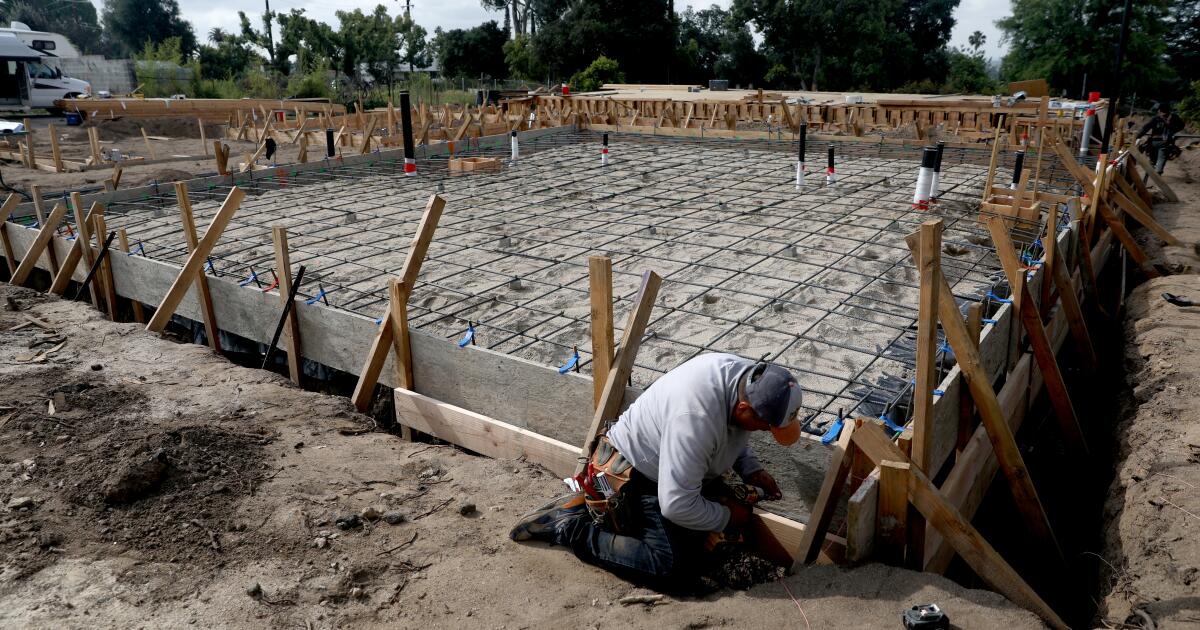
LOS ANGELES, Homeowners rebuilding in the Palisades and Eaton fire burn zones are choosing all-electric construction, a quiet but significant shift that’s reshaping what recovery looks like across two of the worst-hit neighborhoods in Los Angeles County.
The 2025 fires destroyed thousands of homes. Emergency orders that followed allowed “like-for-like” replacements, meaning residents could rebuild structures roughly matching what they lost without full permitting overhauls. But many owners aren’t stopping at replacement. They’re going further, dropping gas lines entirely and designing homes around electric appliances, heat pumps, and solar-ready infrastructure.
It’s a choice that carries real weight.
For communities already navigating grief, insurance disputes, and contractor backlogs, adding the complexity of a full electrification build isn’t trivial. And yet advocates say the moment is producing something unexpected: homeowners who never considered an all-electric house before the fire are now choosing one, partly because rebuilding from scratch makes the transition easier than retrofitting an existing structure, and partly because the calculus around gas has changed after watching their neighborhoods burn.
The trend connects to a broader push in California to move residential buildings off fossil fuels, a goal the Department of Cannabis Control has nothing to do with, but one that state energy regulators and local air quality officials have pursued aggressively through building codes, incentive programs, and appliance rebates over the past several years.
Rebuilding in a burn zone, however, adds layers that clean-energy advocates rarely account for. Utility infrastructure in both Palisades and Eaton took severe damage. In some areas, homeowners say they can’t yet get reliable gas reconnection timelines from Southern California Gas Company, and that uncertainty is pushing some toward all-electric by default, not just by choice.
As LA Times reporting documented this month, the all-electric rebuilds are concentrated most heavily in areas where gas infrastructure damage was worst, suggesting the trend is partly market-driven by circumstances on the ground rather than purely ideological.
That distinction matters to Efrain Gutierrez, a housing advocate with a Los Angeles-based community organization who has worked with displaced families in the Eaton area since February 2025. “We’re seeing families who’ve never once thought about induction cooking or heat pumps suddenly asking contractors about both,” Gutierrez told California Bud. “The fire made the decision for some of them. The gas just isn’t there.”
Not there. Not yet, maybe not ever for some parcels.
Gutierrez said lower-income homeowners face a harder version of this choice. Upfront costs for all-electric builds can run higher, and while federal and state rebate programs exist through the Inflation Reduction Act and California’s own incentive structures, navigating those programs while simultaneously managing a fire loss claim is genuinely difficult. His organization has been helping families cross-reference available rebates with their rebuild budgets, a process he describes as exhausting.
The all-electric rebuild push also intersects with a question California hasn’t fully answered: whether wildfire-resilient construction and decarbonized construction are the same project or two separate ones. Some fire-hardening materials, including certain spray foams and roofing composites, carry their own environmental trade-offs. Electrification doesn’t automatically mean a home is safer in the next fire, and safety advocates note that utility infrastructure, whether gas or electric, can still spark ignition under the right conditions.
Still, the direction of travel is clear. The California Energy Commission has been expanding requirements for electric-ready construction statewide, and the Palisades and Eaton rebuild zones are functioning as an inadvertent real-world test of how those requirements play out at scale, with thousands of homes going through the process more or less simultaneously.
Contractors working in both zones told local housing groups this spring that all-electric specs now account for a share of new rebuild contracts that would have been nearly unthinkable before January 2025. Several said clients are specifically requesting solar-plus-storage setups capable of islanding during grid outages, a direct response to the power shutoff conditions that preceded the fires.
Gutierrez said his organization plans to release a summary of its rebuild counseling data by June 2026, which will include a breakdown of electrification rates among the families it has served. He expects the numbers to show a sharper shift toward all-electric than most observers currently estimate.
Get The Standard Weekly
Top stories from California Bud in your inbox. Free.