ICE Raids Are Devastating California Cannabis Economies
ICE enforcement in 2026 is shrinking California's agricultural labor pool, hitting cannabis cultivators in Humboldt and Mendocino counties especially hard.
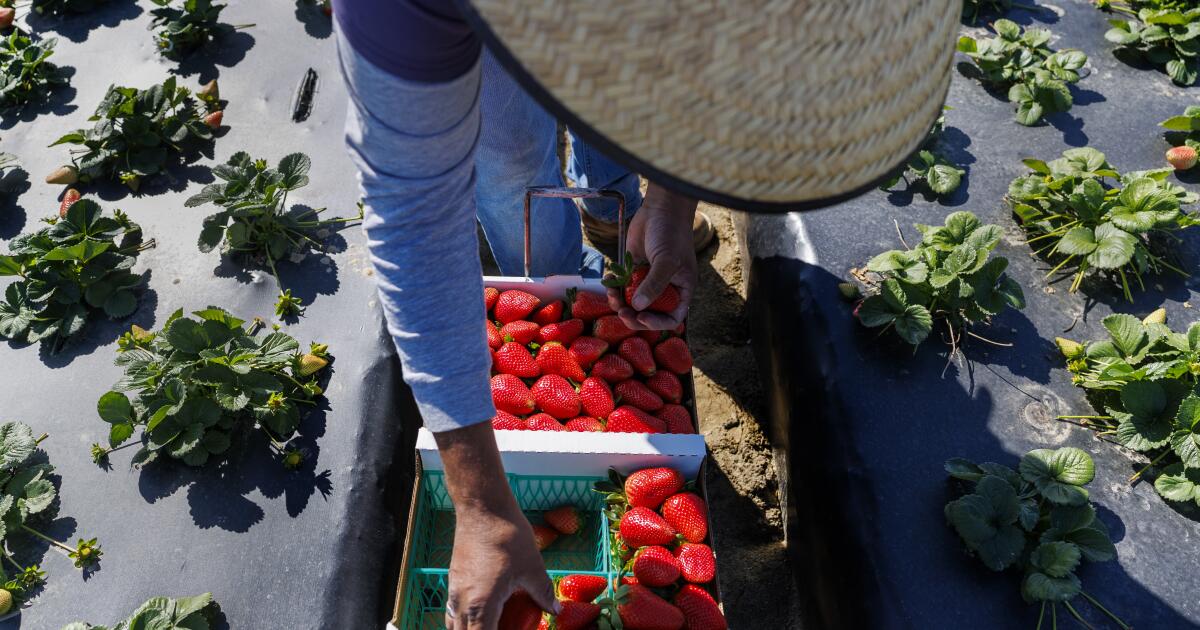
California’s cannabis harvest depends on hands. Thousands of them, most belonging to migrant workers who move through the Emerald Triangle and the Central Valley each season, trimming, hauling, and processing crops that generated $1.6 billion in licensed sales last year. Those workers are disappearing. And growers are starting to feel it.
ICE enforcement operations that accelerated through early 2026 have hit California’s agricultural labor supply hard, and the ripple effects are landing squarely on cannabis cultivators who already operate on thin margins. The LA Times reported that researchers have now put concrete numbers on the economic toll in Southern California’s farming communities, where labor shortages and suppressed wages are reshaping entire local economies.
The cannabis industry doesn’t get to stay separate from that.
Licensed cultivators in Humboldt and Mendocino counties have spent years trying to build stable, legal workforces. Some invested in H-2A guest worker programs. Others hired locally or worked with labor contractors. But the threat of immigration enforcement at or near agricultural work sites has made workers harder to find and harder to keep, even when growers pay above prevailing rates and provide housing.
That’s the bind: the very conditions that make California cannabis cultivation legally viable, documented workers, tax compliance, inspectable facilities, also make those operations visible to enforcement. Unlicensed grows don’t have that problem. They don’t post job listings. They don’t file wage reports. They operate in the shadows, and right now, scared workers who need income are more likely to end up there.
“We’re already competing against the illicit market on price,” one Humboldt cultivator told California Bud, asking not to be named because of concerns about regulatory scrutiny. “Now we’re competing for labor too, and we can’t win that fight if workers don’t feel safe showing up to a permitted site.”
The H-2A program, which allows agricultural employers to hire foreign nationals on temporary visas when domestic labor is unavailable, has grown significantly across California over the past five years. Cannabis cultivators with state licenses have used it where they can. But the program requires employers to provide housing and transportation, and the Department of Cannabis Control hasn’t clarified whether H-2A workers can legally be employed on cannabis licenses given federal prohibition, leaving growers in a gray area that most labor attorneys won’t touch.
Federal prohibition creates real exposure there. An H-2A worker placed on a cannabis farm is technically working in an industry that remains federally illegal, and no federal agency has offered guidance on what that means for visa status or employer liability.
Meanwhile, pay rates across agricultural California are getting complicated in a different way. Some employers have responded to enforcement pressure by quietly cutting wages, betting that frightened workers won’t report violations to the California Labor Commissioner’s Office. That’s wage theft, and it’s happening alongside the ICE activity, compounding the economic damage that researchers are trying to quantify. Cannabis growers who play by the rules end up at a disadvantage again, because compliant employers report wages, carry workers’ comp, and can’t hide violations the way a cash-paying unlicensed operation can.
Trinity County, the least-talked-about corner of the Emerald Triangle, has seen some of the most acute labor shortages this spring planting season. Several small cultivators there said they couldn’t find enough workers for site preparation work in March, which pushed timelines back and could reduce canopy counts when the Department of Cannabis Control reviews annual cultivation reports later this year.
Smaller canopy means smaller yields. Smaller yields mean less product for a legal market that’s already struggling with supply-side inconsistencies and wholesale price depression. The average wholesale price for a pound of indoor flower in California dropped to around $400 in early 2026, down from over $1,000 three years ago. Growers who lose even a portion of their seasonal output to labor problems can’t absorb that.
The state has tools it hasn’t used aggressively enough. The DCC could coordinate with the California Department of Food and Agriculture and the Labor Commissioner to create clearer guidance for cannabis cultivators on lawful hiring, worker protections, and the specific risks of federal enforcement interactions. It won’t fix the underlying immigration enforcement crisis, but it would at least give licensed operators a clearer map of what’s allowed and what isn’t. Right now, they’re making expensive guesses while their labor pool shrinks and their unlicensed competitors fill the gap.
Get The Standard Weekly
Top stories from California Bud in your inbox. Free.