California Urges Mpox Vaccination After Clade I Detected in SF
California health officials urge high-risk residents to vaccinate after a more-severe mpox strain, clade I, was detected in San Francisco for the first time.
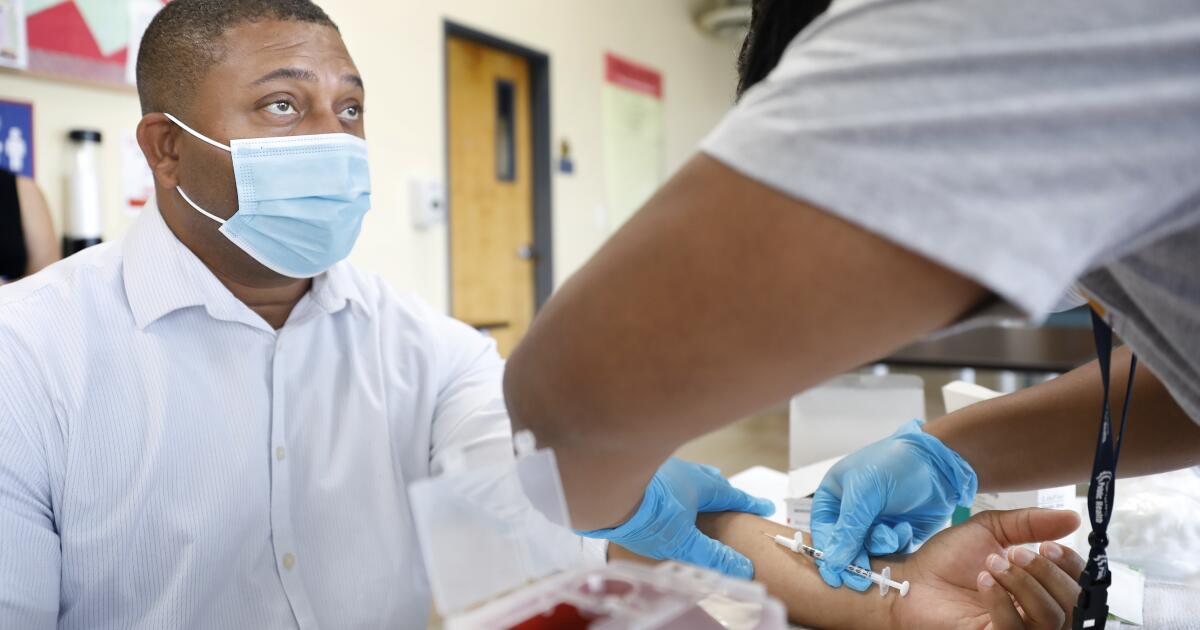
SAN FRANCISCO, April 18, California health officials are urging high-risk residents to get vaccinated against mpox after a more-severe strain of the virus turned up in San Francisco for the first time.
The strain, known as clade I, has circulated in parts of central Africa with significantly higher mortality rates than the clade II strain that drove the 2022 global outbreak. Its arrival in San Francisco marks the first confirmed detection of clade I in California, and officials want residents who qualify for the vaccine to get it now, not after further spread.
Public health workers have identified the case and traced close contacts. The infected individual is being treated. But the concern isn’t one case, it’s what clade I does when it gets into a densely connected community without enough vaccine coverage to slow it down.
The Department of Cannabis Control isn’t the agency running point here. The California Department of Public Health is, and it’s pushing hard on vaccination access heading into spring, when outdoor gatherings, events, and festivals pick up across the state. That seasonal context matters: transmission risk doesn’t disappear because the weather’s nice.
The JYNNEOS vaccine, which the CDC recommends as the primary protection against mpox, requires two doses spaced four weeks apart to reach full effectiveness. Health officials say anyone who received the two-dose series during the 2022 outbreak may want to check with their provider about booster eligibility, particularly if they’re in a high-risk group.
Who counts as high-risk? Officials are focusing on gay and bisexual men, people with multiple sexual partners, individuals who are HIV-positive, and sex workers. That’s consistent with the targeting criteria used during the 2022 response, when vaccination campaigns concentrated on communities where clade II spread fastest.
Clade I is a different problem. It spreads through close physical contact, not just sexual contact, and has shown higher rates of severe illness in affected regions. The World Health Organization declared clade I a public health emergency of international concern in August 2024, citing outbreaks across multiple African countries. California detecting it now, in April 2026, means the virus has reached a major U.S. metropolitan area.
San Francisco has navigated mpox before. The city moved aggressively in 2022, standing up vaccination sites quickly and achieving high coverage rates among the communities most at risk. That infrastructure still exists, and city health workers are activating it again. Getting a shot at a San Francisco Department of Public Health site is free, and appointments are available through the city’s health portal.
Officials have not released the name of the individual who tested positive, citing medical privacy. But as the LA Times reported, state health authorities confirmed the detection and moved quickly to issue the vaccination guidance that followed.
“We want people who are at higher risk to get vaccinated,” a California Department of Public Health spokesperson said, stressing that existing vaccines do provide protection against clade I. The message is direct: don’t wait for more cases.
The state has supply. Providers in San Francisco, Los Angeles, San Diego, and other major cities have doses available. The friction isn’t access, it’s awareness and urgency. People who got vaccinated in 2022 may think they’re covered and skip checking their status. People who weren’t in a high-risk category in 2022 may not know the guidance still applies to them.
California’s approach to mpox has leaned on community health organizations to bridge those gaps, particularly in LGBTQ+ communities where trust in public health institutions can be complicated. Those partnerships proved essential during the 2022 response and are being reactivated now.
Clade I hasn’t shown evidence of widespread transmission in California beyond this single confirmed case. Health officials aren’t calling it an outbreak. But they’re treating the detection seriously enough to issue statewide guidance, which tells you something about how they’re reading the risk. One confirmed case of a more-severe strain in a major city is enough to warrant urgency, especially when vaccines are available and effective.
Anyone who thinks they may be at higher risk should contact their healthcare provider or check the California Department of Public Health’s mpox resource page for updated guidance on eligibility, appointment availability, and what to expect from the two-dose JYNNEOS series.
Get The Standard Weekly
Top stories from California Bud in your inbox. Free.