LA Times Seeks Sources on Restraining Orders in LA County
The LA Times is collecting accounts from people who've sought restraining orders in LA County, spotlighting gaps in a complex civil protection system.
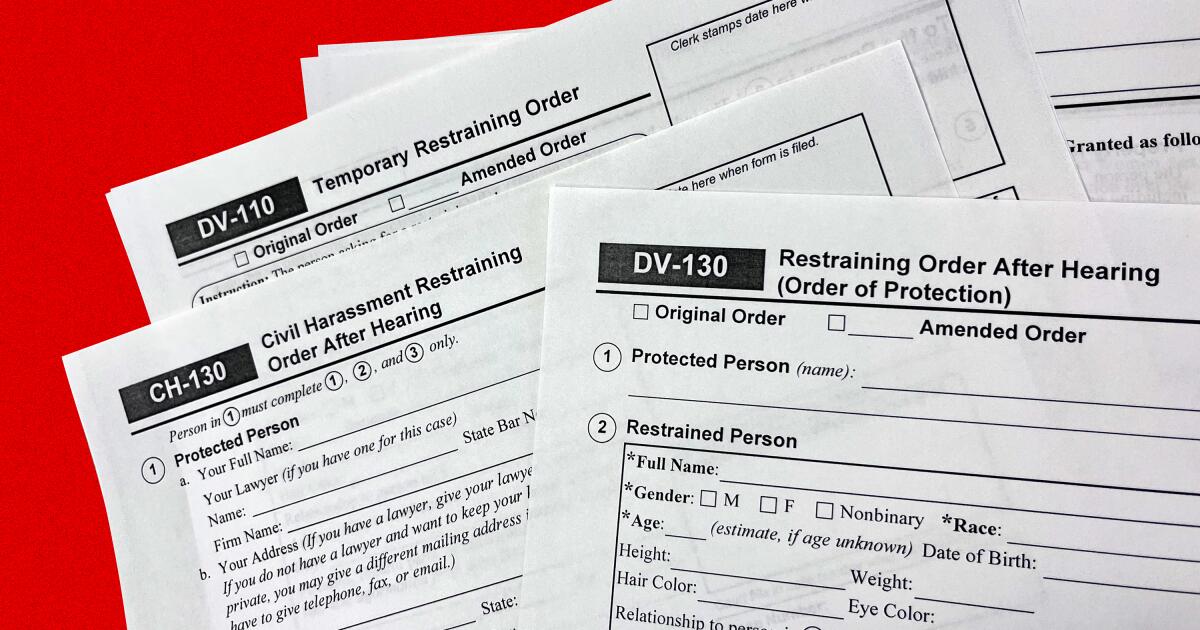
LOS ANGELES, A call for sources from the LA Times is drawing renewed attention to how Los Angeles County courts handle restraining order requests, a process that advocates say leaves many applicants confused, under-resourced, and sometimes in greater danger than when they started.
The paper is looking for people who have sought temporary or permanent restraining orders in L.A. County and are willing to share their experiences. It’s a reporting callout, but it points to something bigger: a civil protection system that touches tens of thousands of county residents every year and gets relatively little public scrutiny.
Restraining orders in California fall under several categories. Domestic violence restraining orders, civil harassment orders, elder abuse orders, and workplace violence orders each move through different legal tracks, require different forms, and carry different evidentiary standards. Applicants who can’t afford an attorney often navigate all of that alone at a courthouse counter.
The California Courts self-help center offers guidance, but the process can still overwhelm people who don’t speak English as a first language or who have limited time off work to attend hearings. Advocates who work with domestic violence survivors say the gap between filing a request and actually obtaining a protective order is where people get hurt.
That gap is real and measurable.
Statewide data from the California Department of Justice shows hundreds of thousands of domestic violence-related calls to law enforcement each year, but the number of restraining orders actually issued and enforced tells a different story. Many applicants abandon the process before a judge ever signs an order. Others get a temporary order but fail to appear at the follow-up hearing, sometimes because the abuser has already made it too dangerous to return to court.
In Los Angeles County specifically, the court system serves a population of roughly 10 million people spread across dozens of judicial districts. Distance matters. A survivor in Lancaster faces a very different logistical reality than someone in Culver City, even though they’re seeking the same legal protection.
It’s not just geography.
Language access has been a persistent problem. The county courts are required under state law to provide interpreter services, but scheduling and availability vary. Organizations like Peace Over Violence, which has operated in Los Angeles for more than 50 years, have long flagged these barriers in their annual reports and legislative testimony.
None of this is new to people who work in domestic violence services. What’s less documented is how individual applicants experience the system day to day. That’s what a reporting project grounded in survivor accounts could actually surface, and it’s why source callouts like the one the LA Times published on April 20 matter to the public record.
Cannabis has its own overlap with this issue. The Department of Cannabis Control licenses dispensaries and cultivators across the state, and some of those businesses employ workers who are themselves survivors of domestic violence or harassment. A restraining order that takes weeks to process can mean weeks of continued contact with an abuser in a shared workplace, a dynamic that cannabis employers and HR teams don’t always know how to handle.
Workforce advocates have pushed the DCC to include domestic violence protections in its labor standards conversations, though no formal policy has emerged from those discussions.
Back in L.A. County, the restraining order process is one piece of a broader safety infrastructure that includes law enforcement response, housing, employment protection, and child custody. Each of those systems has its own bureaucratic calendar. When they don’t sync up, the person in danger is the one who pays for it.
“We’ve seen people show up with a temporary restraining order and nowhere to go that night,” said one advocate who works with a Los Angeles-based survivor services organization and asked not to be identified by name to protect client confidentiality. “The paper means something, but it doesn’t automatically mean safety.”
The LA Times reporting project is still in its early stages. People who have direct experience with the restraining order process in Los Angeles County, whether they got the order they needed or didn’t, can reach the paper through the callout published April 20. Accounts from people who were denied an order, who found the process unworkable, or who successfully navigated it despite significant obstacles are all useful to journalists trying to understand where the system functions and where it fails.
Get The Standard Weekly
Top stories from California Bud in your inbox. Free.